Nopea tuotehaku
Ota yhteyttä, niin kerromme kuinka voimme hyödyntää asiantuntemustamme tarjotaksemme sinulle korkealaatuisia tuotteita.

2026-05-08
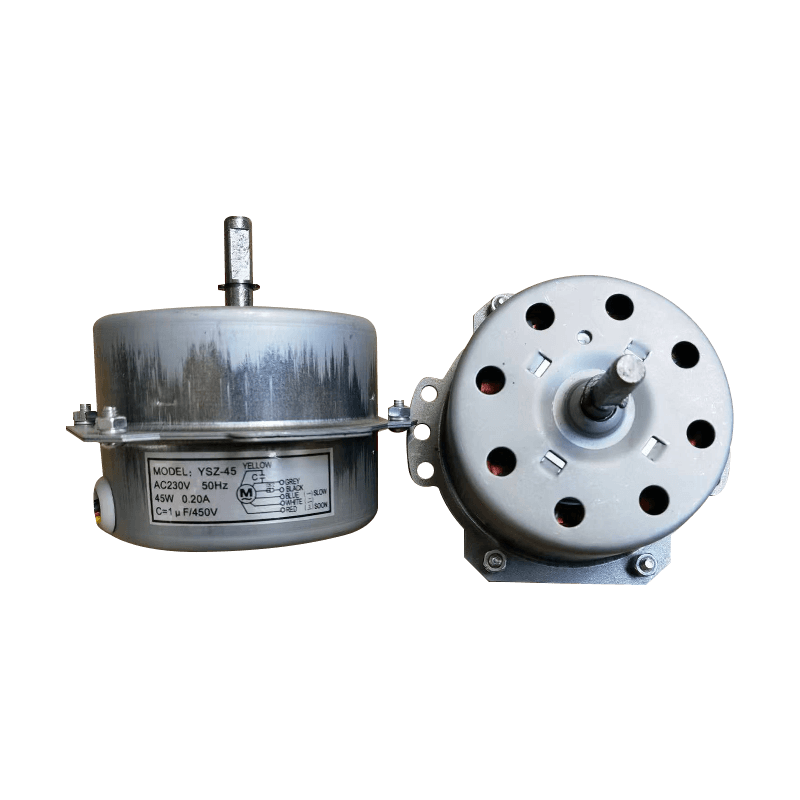
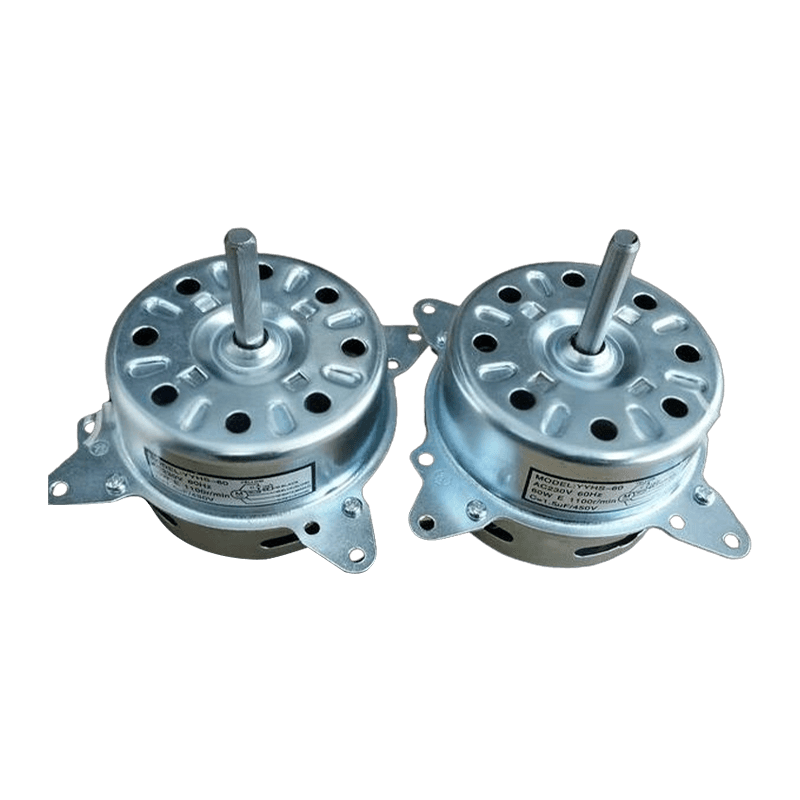
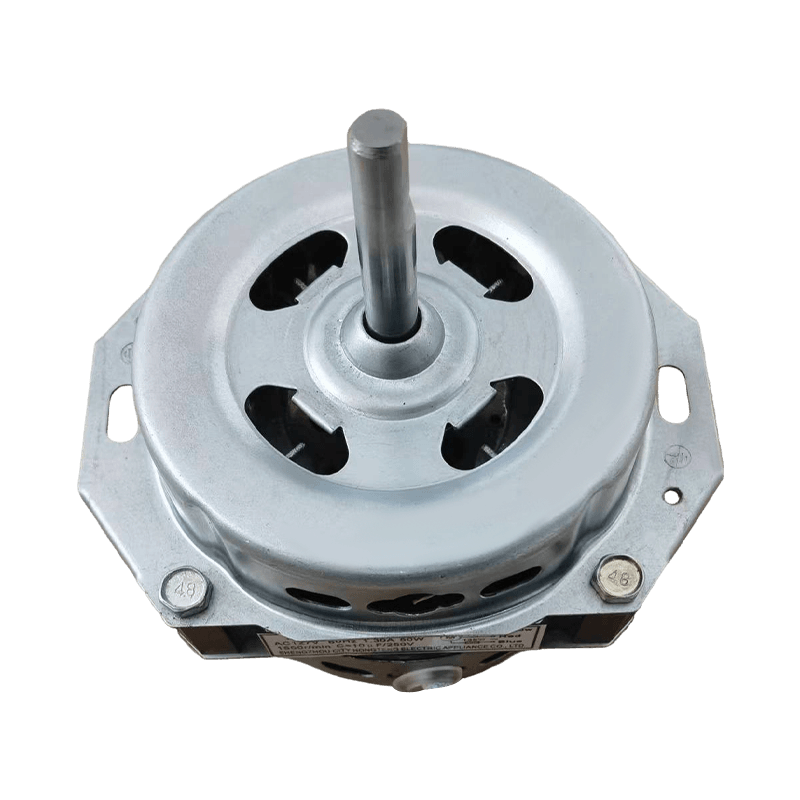
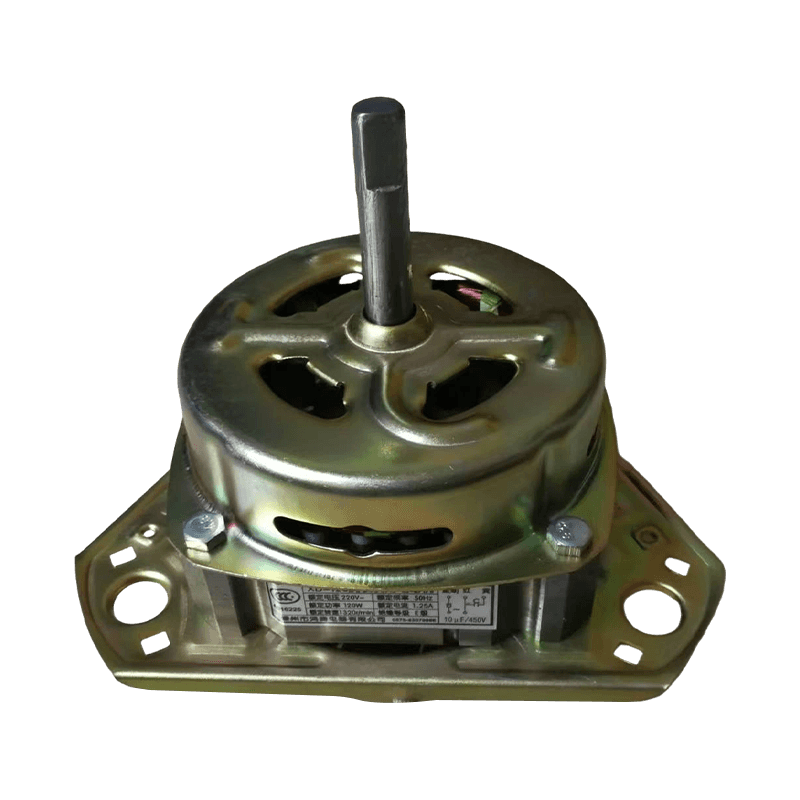
In modern industrial and commercial building ventilation design, the stability of the power system directly determines environmental air quality and energy efficiency. As the core driving component of ventilation equipment, the performance parameters and manufacturing processes of the Exhaust Fan Motor are key to ensuring long-term system operation.
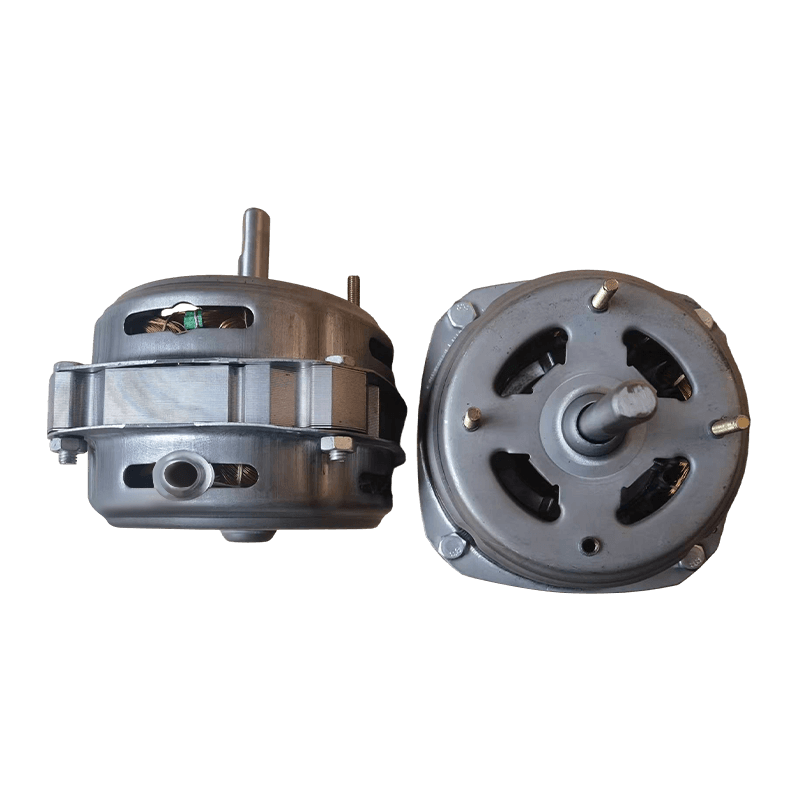
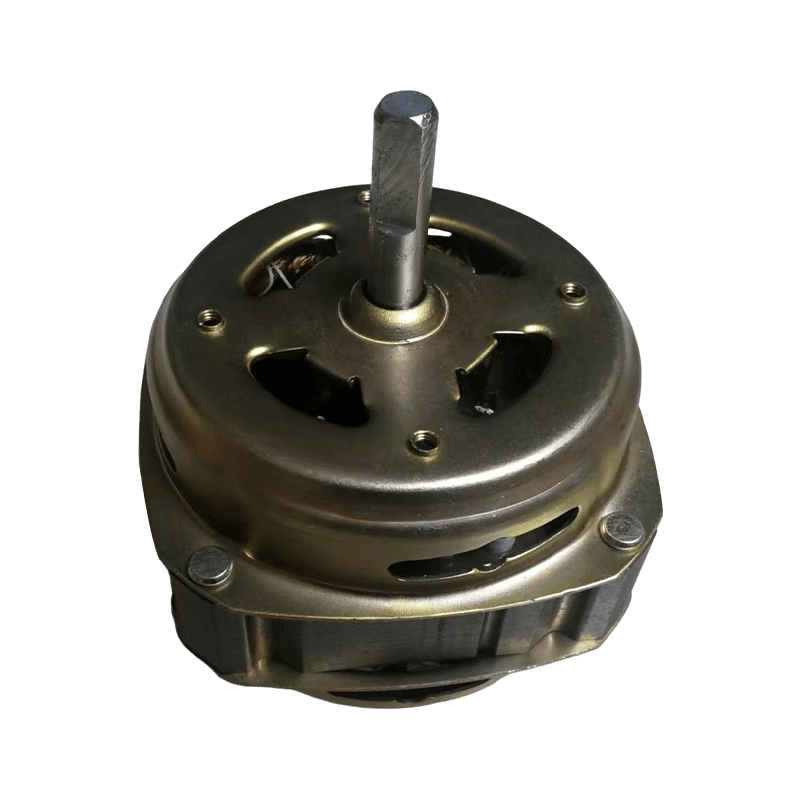
Exhaust Fan AC Motor is widely used in various exhaust systems. Its technical core lies in the efficiency optimization and heat dissipation design of induction motors. To cope with high-intensity operation in commercial and industrial environments, professional motors use silicon steel sheet laminated stators and cast aluminum rotors to reduce eddy current losses.
In the field of AC drives, the insulation class (such as Class F or Class H) of the motor is an important standard for measuring its heat resistance. For a kitchen exhaust fan motor that is in a high-temperature and high-humidity environment for a long time, sealed bearings and corrosion-resistant coatings not only extend the service life but also effectively reduce mechanical noise during operation.
In the field of precision manufacturing, the uppco fan motor is known for its compact structure and extremely high power density. This motor usually adopts a C-Frame type or closed pole cover design, which is particularly suitable for ventilation occasions with limited space and high starting torque requirements.
Stator windings: Made of 100% pure copper wire to ensure the stability of current transmission under high loads and avoid excessive temperature rise caused by high resistance.
Lubrication system: Oil-impregnated bearings or ball bearings are used to optimize the viscosity coefficient of the internal grease according to different speed requirements.
Adaptability: It can accurately match various impeller diameters to ensure the continuity of air pressure.
To help engineering and technical personnel quickly screen suitable power solutions, the following table lists the key performance parameter comparisons of mainstream ventilation motors:
| Parameter Item | bath fan motor | commercial exhaust fan motor | extractor fan motor |
| Rated Voltage | 110V/220V | 220V/380V (Three-phase) | 220V |
| Power Range | 15W - 50W | 150W - 2.2kW | 40W - 120W |
| Speed (RPM) | 1500 - 3000 | 900 - 1450 | 1200 - 2800 |
| Protection Level | IPX2 / IPX4 | IP54 / IP55 | IP44 |
| Primary Use | Residential Bathroom Dehumidification | Factory and Mall Centralized Ventilation | Smoke and Dust Extraction |
In the ventilation renovation of large buildings, the selection of commercial exhaust fan motor needs to strictly follow the balance between Air Volume (CFM) and Static Pressure. The motor must have the ability to adjust speed to adapt to ventilation needs at different time periods.
Load Matching: Ensure that the rated torque of the motor is greater than the starting resistance torque of the fan impeller to prevent the motor from stalling and burning.
Environmental Tolerance: In environments containing oil fumes, the kitchen exhaust fan motor must have strong resistance to oil scale accumulation, and the shaft extension end is usually equipped with special oil seals.
Installation Specifications: Whether it is flange mounting or bracket mounting, the coaxiality tolerance of the Exhaust Fan Motor must be controlled at the micron level to eliminate structural noise caused by vibration.
The difference between a kitchen exhaust fan motor and an ordinary motor lies in its control of temperature rise. In the process of continuous discharge of hot air, if the temperature rise inside the motor is too fast, the insulation material will age and fall off. Therefore, high-standard motors are often equipped with thermal protectors, which automatically cut off the circuit when the temperature exceeds a preset threshold (such as 135°C) to protect the core windings.
Furthermore, in the application of extractor fan motor in laboratories or industrial processing workshops, more attention is paid to the instantaneous capture capability of the airflow. This requires the motor to have an extremely fast dynamic response speed, reaching the rated speed at the moment of startup to form a stable negative pressure zone.
For residential or hotel buildings, the quiet performance of the bath fan motor is an important indicator for measuring product quality. By precisely balancing the rotor and using shock-absorbing washers, the operating decibels can be controlled within an extremely low range. At the same time, as a power source in a long-term humid environment, the moisture-proof insulation treatment of the motor needs to meet strict industry testing standards to ensure that it maintains megohm-level insulation resistance in a condensed water environment.
Through quality control of the entire life cycle of the Exhaust Fan AC Motor, from raw material procurement to final functional testing, every process directly affects the final ventilation effect. Choosing an Exhaust Fan Motor that meets technical indicators is the foundation for building a healthy, safe, and energy-saving ventilation system.
Suositellut tuotteet

Ota yhteyttä
+86 0575 83078988
+86 13605855838
+86 17769850789
13605855838
No. 20, Zhiye Road, Changle Town, Shengzhou City, Shaoxing City, Zhejiangin maakunta
Ota yhteyttä